
Amid persistent rumors about a €10,000 limit, fears of attracting the attention of tax authorities, and announcements from across Europe, many French people are asking themselves: Can you really keep as much cash at home as you want? Is it risky? And above all, what do the law and institutions actually say? Spoiler alert: the answer is much more complex than a simple magic amount.
Cash at Home: What the Law Actually Says Today
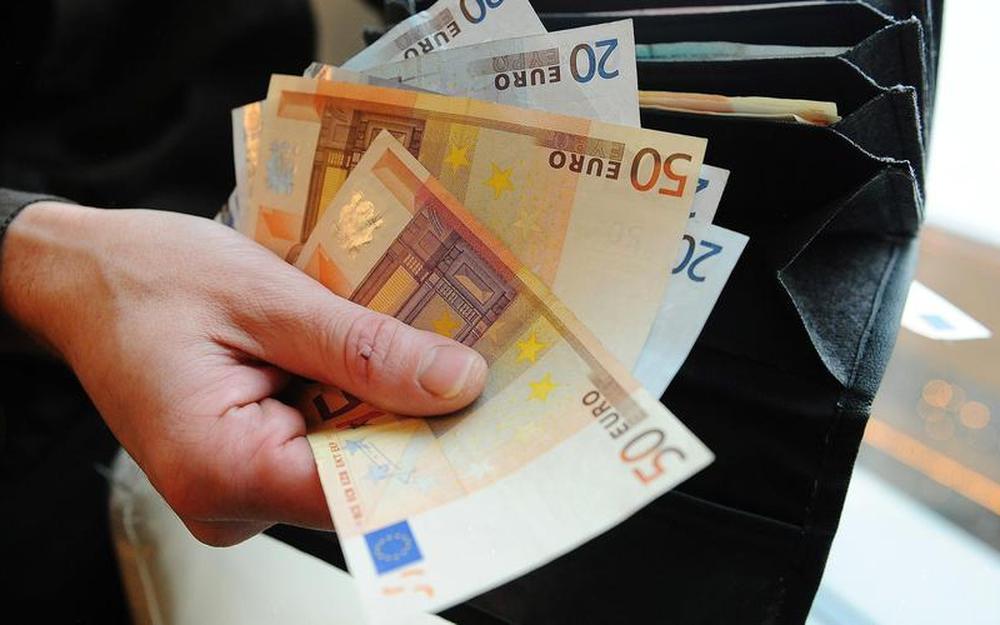
The good news first: there is currently no legal limit on the amount of cash you can keep at home. Yes, you read that correctly. Theoretically, keeping several thousand euros in cash in a drawer, box, or safe is not illegal.
The real challenge is the origin of this money. In the event of an audit, you must be able to explain where these banknotes came from: bank withdrawals, property sales, inheritances, accumulated savings, etc. Without a coherent justification relating to ordinary income, doubts can arise, which can lead to lengthy and unpleasant administrative procedures. The sensitive issue, therefore, isn’t the possession of money, but its traceability.
The famous €10,000 threshold: myth or reality?
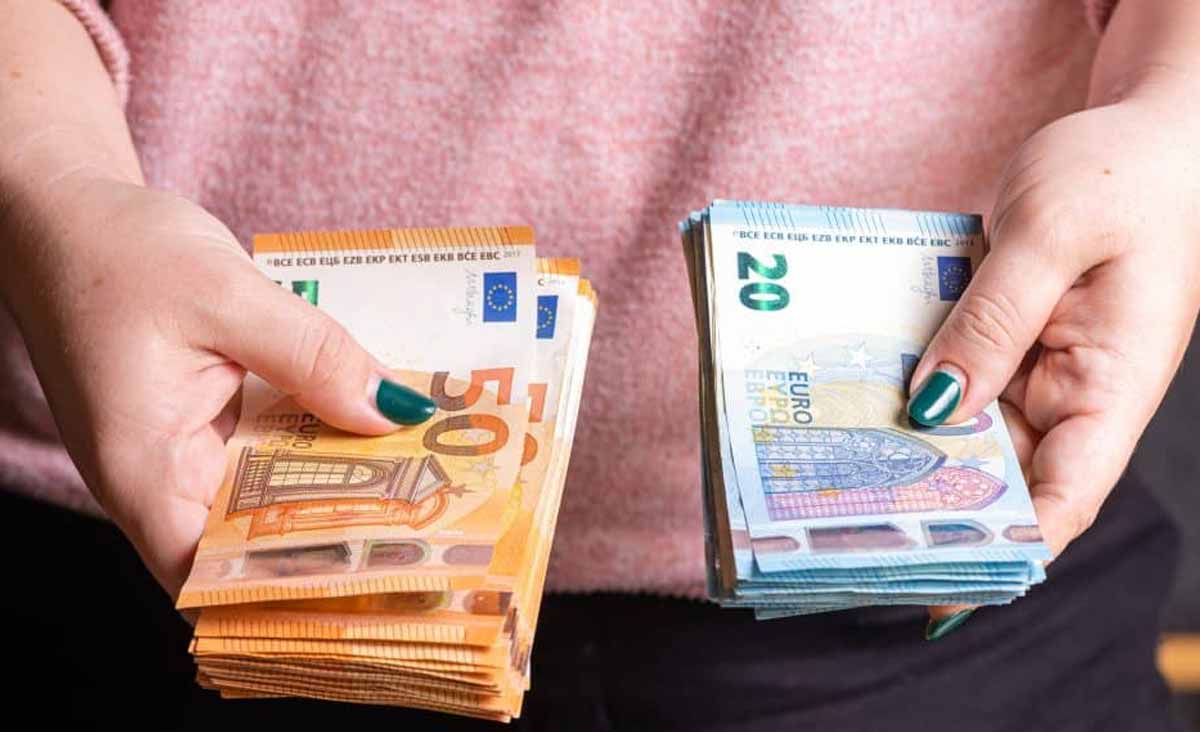
The €10,000 threshold is widely circulated, and for good reason: a European regulation will come into force in 2027. However, it doesn’t apply to cash kept at home, but rather to a limit on cash payments. Above this amount, it will no longer be possible to pay for purchases in the European Union with cash.
The goal is clear: to increase transparency and reduce fraud in certain high-value transactions. For French citizens, the impact will remain limited, as France already applies strict regulations regarding cash payments.
Payments, Limits, and Mandatory Written Documentation: The Rules You Need to Know
In practice, the law primarily regulates the use of cash, not its storage. Here are the important thresholds to keep in mind, in logical order:
The maximum cash payment amount for professionals in France is €1,000. For payments of €1,500 or more between individuals, it is strongly recommended to enter into a written agreement to retain proof of the transaction.
The maximum cash payment amount in the European Union is €10,000 from 2027.
In other words, you can keep more cash at home, but you won’t always be able to use it freely.
Why Keeping Cash at Home Still Provides Such a Sense of Security
Despite the widespread use of bank cards and digital payments, cash still holds a special place. The European Central Bank calls it a “contingency plan” in a highly digital, but not foolproof, system.
Therefore, it recommends having between €70 and €100 per person, enough to cover basic needs for about three days. A computer crash, a bank outage, or a technical issue can happen, and that money becomes very valuable. It’s a bit like having a flashlight in a drawer: you hope you’ll never need it, but it’s comforting to have it handy.
Finding the Right Balance to Avoid Stress and Complications
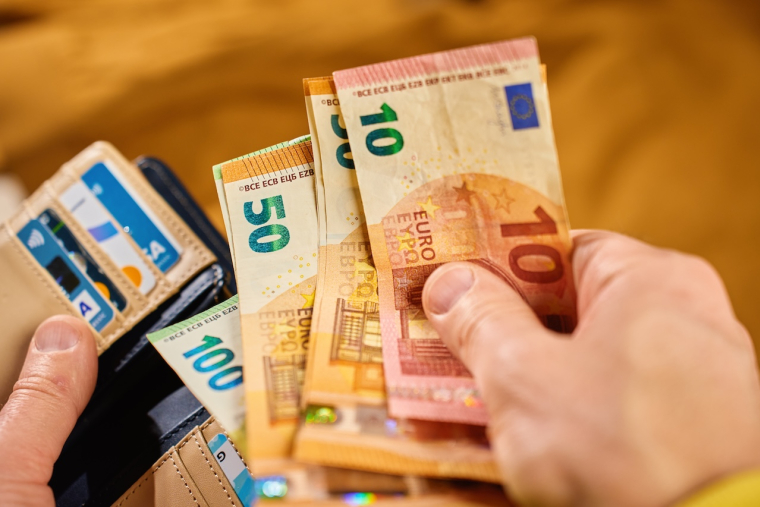
In reality, the French often do things their own way: some keep less than 100 euros, others several hundred, or even more. The key is to be consistent with your own personal situation, avoid unnecessarily tying up your savings, and, whenever possible, keep simple and understandable proof of the funds’ origin.
With caution, common sense, and accurate information, keeping cash at home is perfectly legal, provided you’re sensible and well-organized. In short, keeping cash at home can be reassuring, but true peace of mind comes from knowing why you’re doing it and being able to calmly explain it when necessary.


0 commentaires:
Enregistrer un commentaire