Top Ad 728x90

dimanche 22 février 2026

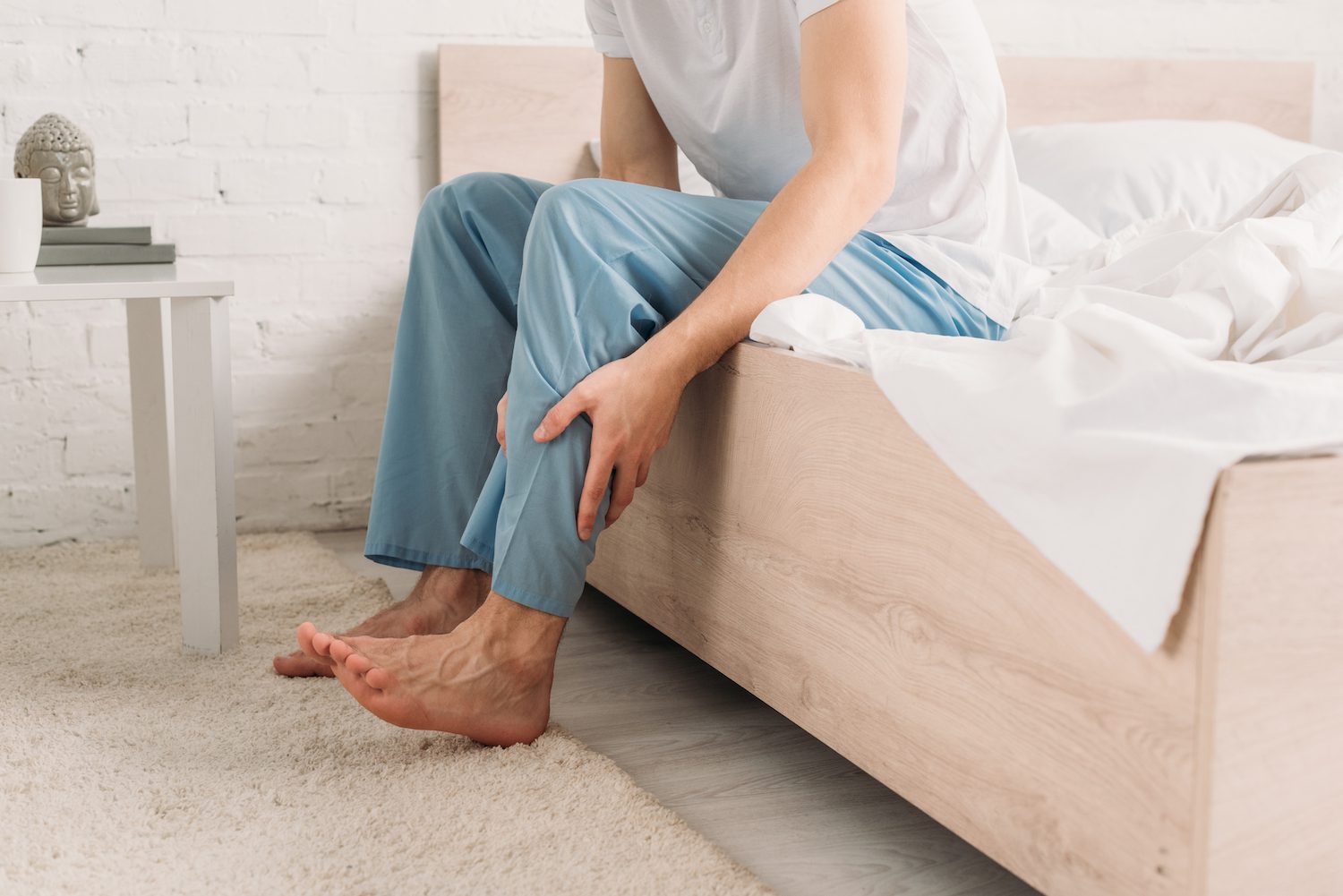
Hip pain: what does it mean?

by


Do you struggle to bend over to tie your shoelaces, climbing stairs becomes an effort, and morning stiffness becomes a daily occurrence? These often trivialized signs may actually indicate hip wear, which is much more common than you might think. Long confined to the elderly, it now affects more and more active adults aged 35-40. Acting early means living longer.
What exactly is a worn hip?

A “worn” hip corresponds to deterioration of the articular cartilage, the protective tissue that prevents bones from rubbing against each other. When this cartilage weakens or disappears, the friction causes pain, stiffness, and sometimes inflammation: this is hip osteoarthritis (or coxarthrosis).

The main causes?
A set of factors, often combined:


Genetic predisposition: some families are more affected.
Excess weight: every extra kilo increases the load on the joint.
Physical occupations or repetitive sports: heavy work or repetitive movements promote wear and tear.
History of injuries (fractures, dislocations) or joint diseases such as polyarthritis.
Signs to watch out for

Morning stiffness that improves with movement.
Hip pain when walking, climbing stairs, or standing up.
Difficulty putting on shoes or bending over.
Sensation of rubbing or cracking in the joint.
Pain radiating to the groin, thigh, or knee.
Muscle fatigue, difficulty balancing, nighttime pain, or a feeling of warmth in the hip.
Good news: you can live with a worn-out hip.
Continued on the next page
There’s no need to wait until you’re in severe pain to take action. Early diagnosis can slow the progression of wear and tear and improve quality of life.

Here are some recommended solutions:
Relieve the pain
Paracetamol or anti-inflammatories occasionally, always under the advice of a healthcare professional.

Move… but gently
Recommended activities: swimming, cycling, regular walking on level ground.

Physiotherapy sessions help strengthen the muscles around the hip and maintain good mobility.

Relieve pressure on the joint
Losing a few pounds is often enough to significantly reduce discomfort.

When pain becomes chronic…
continued on the next page
Surgery (hip replacement) may be considered. Today, it’s a common and well-controlled procedure: more than 90% of patients regain sustained mobility for 10 to 15 years.

Listen to your body, act immediately.
Ignoring the pain won’t make it go away. If you recognize these symptoms, or if a loved one complains of them, consulting a doctor is the first step toward a more comfortable daily life.

“A healthy hip means long-lasting freedom of movement.”

And you? Have you noticed these signs? Share your experience: it may help others avoid trivializing their pain.

Thank you to everyone who reads this.

What Happens When Your Body Does Not Get Enough Hydration

by


Most people understand that drinking water is important, yet hydration is often overlooked amid busy routines. Long work hours, frequent caffeine intake, and reliance on sweetened or flavored drinks can quietly reduce daily water consumption. Because water supports nearly every system in the body, even mild dehydration can affect how we feel and function. When fluid intake drops too low, the body often sends subtle signals that are easy to miss or dismiss.

Water is essential for digestion, circulation, temperature regulation, and the removal of waste. It also supports joint movement, nutrient delivery, and cellular health. Many people wait until they feel thirsty before drinking, but thirst usually appears after the body has already begun to experience fluid imbalance. Maintaining steady hydration throughout the day helps the body function efficiently and reduces unnecessary strain.

One of the clearest indicators of hydration is urine color. Pale or light yellow urine typically suggests adequate hydration, while darker shades may signal the need for more fluids. Other early signs can include fatigue, reduced concentration, and fewer bathroom visits. In some cases, dehydration may feel similar to hunger, leading people to eat when the body is actually asking for water. Pausing to drink a glass of water before reaching for food can help clarify the body’s needs.

Low hydration levels can also influence physical comfort and appearance. Dry skin, dull complexion, and recurring headaches are common signs that fluid intake may be insufficient. The brain is particularly sensitive to hydration, and even minor shortages can affect focus, mood, and mental clarity. Developing a consistent habit of drinking water throughout the day can support stable energy, clearer thinking, and overall balance.

Staying hydrated does not require drastic changes—just regular attention. Simple practices, such as keeping water nearby and sipping consistently, can make a meaningful difference in daily comfort and long-term well-being.

At Almost 103, He Continues to Inspire as One of Hollywood’s Longest Living Icons

by


In an age when entertainment evolves at lightning speed, a small and extraordinary group of legendary performers continues to defy time itself. These remarkable artists—many now in their late 90s and beyond—stand as living witnesses to nearly every era of Hollywood history. Some are approaching an astonishing 103 years old, yet their influence remains as vibrant as ever. They helped shape the films, music, and television that generations grew up with, and today, their lives radiate the same sense of wonder that first made audiences fall in love with them. Their stories aren’t just about long lifespans—they are about endurance, reinvention, and the irresistible power of a creative spirit that never dims.

Elizabeth Waldo, born in 1918, continues to be revered for her groundbreaking dedication to indigenous and world music. Her tireless research and artistic curiosity have left an indelible mark on cultural preservation, inspiring musicians and scholars worldwide. Karen Marsh Doll, one of Hollywood’s oldest surviving actresses, remains a rare, living connection to the golden age of cinema—with personal ties to classics such as The Wizard of Oz and Gone with the Wind. And then there is Ray Anthony—now 103—whose enduring presence as one of the last great big-band leaders keeps the heartbeat of American swing alive for new generations discovering its magic.

Hollywood’s beloved icons don’t end there. June Lockhart, Eva Marie Saint, and Dick Van Dyke continue to be adored for their joyful, uplifting contributions that spanned decades of film and television. Comedy giants like Mel Brooks and William Shatner, along with the forever enchanting Barbara Eden, remain active, appearing at events, participating in interviews, and sometimes even taking on new roles. Their humor, curiosity, and creative spark are proof that imagination not only survives with age—it flourishes.

Equally inspirational are timeless stars such as Clint Eastwood, Sophia Loren, and Michael Caine, each still connected to their craft with remarkable passion. Their late-career work reflects a depth, wisdom, and emotional richness only a lifetime of storytelling can produce. Julie Andrews, Shirley MacLaine, Al Pacino, and Jane Fonda continue to shape culture not just through their performances but through their writing, advocacy, and thoughtful reflections on life, wellness, and the industry they helped build.

Together, these icons remind the world that artistry does not have an expiration date. They continue to illuminate screens, stages, and hearts with the same authenticity that defined their early careers. Their lives are a testament to creativity lived with purpose, resilience, and joy. And for audiences everywhere, they offer a powerful truth: when passion leads the way, age becomes nothing more than a number—while legacy becomes everything.

Iconic 70s actress sparks strong reactions after walking her dogs

by


A Star Who Defined an Era

The 1970s produced some of the most memorable screen icons in entertainment history. It was a decade of cultural shifts, bold fashion, groundbreaking film roles, and television that became part of everyday life.

Actresses like Jane Fonda, Goldie Hawn, Farrah Fawcett, and Lynda Carter didn’t just appear on screens — they shaped beauty standards, fashion trends, and public imagination.

The ’70s aesthetic was distinctive:

  • Feathered hair

  • Natural makeup

  • Flared jeans

  • Confident femininity

These women were seen as glamorous, radiant, and larger than life. For many fans, they remain frozen in that era — young, vibrant, and untouched by time.

But time, of course, moves forward.


The Viral Moment

Recently, paparazzi photographs surfaced showing a beloved ’70s actress casually walking her dogs in a quiet neighborhood. She wore comfortable clothes, minimal makeup, and appeared relaxed — simply living her life.

Within hours, the images spread online.

The reactions were immediate and divided:

  • Some praised her natural appearance and authenticity.

  • Others commented harshly on her age and changing looks.

  • Many expressed shock, as if surprised that a woman who once defined glamour now looked like any other person walking their pets.

The intensity of the response says less about her — and more about us.


The Problem With Freezing Celebrities in Time

There’s a unique phenomenon that happens with iconic performers. Audiences often mentally preserve them at the height of their fame.

When we think of Farrah Fawcett, we picture the famous red swimsuit poster.
When we think of Lynda Carter, we imagine Wonder Woman in full costume.
When we think of Goldie Hawn, we remember her sparkling comedic charm in her early roles.

But those images belong to decades ago.

The discomfort some people feel when seeing an aging celebrity often comes from confronting their own passage of time. If the stars of our youth have aged, then so have we.


Aging in the Public Eye

Aging is natural. Aging under a microscope is not.

Actresses from earlier decades faced different pressures than modern celebrities. There was no Instagram, no TikTok, no constant digital surveillance. Today, even routine errands can become viral content.

For women especially, Hollywood has long imposed narrow standards around youth and beauty. While male actors often continue receiving leading roles well into later life, women historically faced reduced opportunities as they aged.

Even though the industry has evolved, public expectations haven’t completely caught up.


Why the Reaction Was So Strong

Several cultural factors explain why a simple dog walk could trigger such intense reactions:

1. Nostalgia Bias

Fans connect emotionally to the era when they first admired an actress. Seeing visible aging disrupts that nostalgic image.

2. Beauty Standards

Society often equates value with youth, particularly for women in entertainment.

3. Social Media Amplification

What once might have been a minor tabloid photo now becomes global discussion within minutes.

4. Projection

People project their fears about aging onto public figures.


The Double Standard

It’s important to acknowledge the gender dynamic at play.

Male actors from the ’70s — such as Sylvester Stallone or Harrison Ford — are often described as “distinguished” or “aging like fine wine.”

Women of the same era are more frequently scrutinized for wrinkles, weight changes, or natural aging.

This contrast reveals lingering biases in how society views maturity and beauty.


A Quiet Act of Normalcy

Perhaps the most striking aspect of the story is how ordinary the moment was.

Walking dogs.
Wearing comfortable clothes.
No red carpet.
No styling team.
No camera-ready preparation.

In that ordinariness lies something powerful.

It shows that behind iconic roles and magazine covers is a human being — one who shops for groceries, walks pets, and lives outside the spotlight.


The Internet’s Mixed Response

Social media reactions ranged from:

  • “She looks amazing for her age!”

  • “I can’t believe how different she looks.”

  • “Leave her alone — she’s just living.”

  • “Why are we even commenting on this?”

The spectrum of comments highlights a growing cultural shift. More people are pushing back against unnecessary scrutiny. There’s increasing awareness about body shaming, ageism, and privacy.

Yet, old habits linger.


Celebrity Privacy in the Modern Era

In the 1970s, celebrity culture operated differently. Access was limited. Appearances were curated. Public images were carefully managed through television appearances and print magazines.

Today, the line between public and private is blurred.

A dog walk can become global content.

This raises questions:

  • Should celebrities have the right to ordinary moments?

  • Does fame permanently erase privacy?

  • Where is the ethical boundary in paparazzi culture?

These questions don’t have simple answers.


Aging as a Privilege

One perspective often overlooked in discussions about aging is this:

Aging is a privilege not everyone receives.

Many beloved stars from the ’70s are no longer with us. Farrah Fawcett passed away in 2009. Countless performers never had the opportunity to grow old.

Seeing an actress from that era alive, walking her dogs, living peacefully — that in itself is something meaningful.


Redefining Beauty Beyond Youth

Cultural conversations around beauty are slowly evolving.

There is increasing celebration of:

  • Natural aging

  • Gray hair

  • Wrinkles

  • Authentic presentation

Actresses like Jane Fonda have openly discussed aging with confidence and empowerment. Public dialogue is gradually shifting from “anti-aging” to “pro-aging.”

However, change takes time.


The Emotional Connection Fans Feel

Why do people react so strongly to aging celebrities?

Because they aren’t just entertainers — they are emotional landmarks.

A film watched in adolescence.
A TV show shared with family.
A poster on a bedroom wall.

When fans see changes in those figures, it can feel like losing a piece of their own past.

But perhaps the healthier perspective is this:

They aren’t losing anything.
They are witnessing continuity.


A Moment That Reflects Us

Ultimately, the viral dog-walking moment is less about the actress herself and more about society’s relationship with time.

We are uncomfortable with change.
We romanticize the past.
We struggle to reconcile memory with reality.

But reality is simply life unfolding.


The Human Behind the Headline

Strip away the headlines and reactions, and what remains?

A woman.
Walking her dogs.
Living her life.

Not a scandal.
Not a transformation.
Not a dramatic fall from fame.

Just normalcy.

Perhaps the most radical act for a former icon is choosing ordinary peace over perpetual glamour.


The Bigger Conversation

This moment invites broader reflection:

  • How do we treat aging women in public life?

  • Why do we equate worth with appearance?

  • Can we celebrate legacy without demanding eternal youth?

Cultural growth depends on how we answer those questions.

Put 2 Drops in Your Ear and You Will Hear Like Before – Recover Your Hearing Naturally!

by


Hearing loss and persistent ringing in the ears (tinnitus) can be frustrating, affecting daily conversations and overall quality of life. But what if there was a simple, natural way to improve your hearing and silence the noise? Experts suggest that just two drops of a powerful natural remedy may help restore hearing and reduce ringing in the ears.


What Causes Hearing Issues?


Before diving into the solution, it’s important to understand what might be affecting your ears:


✔ Earwax Buildup – Excess wax can block sound waves.


✔ Aging – Natural wear and tear on ear structures.


✔ Noise Exposure – Loud environments can damage hearing over time.


✔ Infections – Bacteria or fluid buildup can impact sound transmission.


✔ Circulatory Issues – Poor blood flow can affect hearing ability.


The Natural Two-Drop Solution


This simple homemade ear oil has been used for generations to clear blockages, improve hearing, and soothe tinnitus symptoms.


Ingredients:


🔸 2 tbsp olive oil or coconut oil


🔸 1 clove garlic (crushed)


🔸 1 tsp onion juice (optional)

How to Prepare:

Heat the olive or coconut oil slightly until warm (not hot).

Add crushed garlic and let it sit for 10 minutes to infuse.

Strain the oil to remove garlic pieces.

(Optional) Add a few drops of fresh onion juice for extra antibacterial benefits.

How to Use:

Lie on your side and use a dropper to place 2 drops into the affected ear.

Let it sit for 5-10 minutes, then tilt your head to drain excess oil.

Repeat daily for 5-7 days for noticeable improvement.

Why This Works

Garlic & Onion – Have natural antibacterial and anti-inflammatory properties to fight infections and reduce swelling.

Olive or Coconut Oil – Softens earwax and improves circulation in the ear canal.

Warmth – Helps unclog the ear and soothe discomfort.

Final Thoughts

If you’re dealing with hearing issues or tinnitus, this 2-drop natural remedy may be the key to clearer sound and better ear health. However, if symptoms persist, consult a healthcare professional to rule out underlying conditions.

Try it today and experience the joy of hearing clearly again!


Avoid Heinz Ketchup Like Plague

by


1. The Illusion of “Simple Ingredients”

At first glance, the ingredient list on a bottle of Heinz ketchup seems straightforward: tomatoes, vinegar, sugar, salt, spices, and natural flavorings.

Sounds harmless, right?

The problem isn’t always what’s listed. It’s how those ingredients are sourced, processed, and balanced.

The Sugar Issue

Heinz ketchup contains a significant amount of added sugar. While the label may not scream “dessert topping,” a single tablespoon contains around 4 grams of sugar. Most people don’t stop at one tablespoon.

When you pair ketchup with fries, burgers, and other carb-heavy foods, you’re stacking sugar on top of refined starch. Over time, that can contribute to:

  • Blood sugar spikes

  • Increased cravings

  • Weight gain

  • Insulin resistance

Even if each serving seems small, ketchup is often used mindlessly and repeatedly.

Hidden Sodium

Heinz ketchup also contains notable sodium levels. Again, one serving might seem reasonable—but few people measure carefully.

For those managing blood pressure or watching salt intake, ketchup can quietly undermine dietary efforts.


2. Ultra-Processed Food Concerns

Ketchup, particularly mass-produced varieties, falls into the category of ultra-processed foods. That doesn’t automatically make it toxic—but it does raise questions.

Ultra-processing often means:

  • Heavy refinement

  • Industrial-scale manufacturing

  • Stabilizers and flavor adjustments

  • Standardized sweetness profiles

Mass production prioritizes shelf life and consistency over nutritional density.

Some consumers are increasingly skeptical of industrial food systems—and Heinz sits at the very center of that system.


3. The Corporate Factor

Heinz is not a small family-owned tomato farm bottling sauce in a rustic kitchen. It is part of a global conglomerate: Kraft Heinz.

Large food corporations operate on profit margins, shareholder returns, and cost efficiency. That’s not inherently evil—but it can influence decisions about:

  • Ingredient sourcing

  • Farming practices

  • Supply chain ethics

  • Environmental impact

Some critics argue that massive food companies often prioritize consistency and cost over transparency and sustainability.

Consumers who prefer to support smaller, local brands may see Heinz as a symbol of industrial food dominance.


4. The Taste Debate

Taste is subjective. But many people who branch out beyond mainstream ketchup brands discover something surprising:

Heinz ketchup is very sweet.

Its sweetness is deliberate—it’s engineered to create a strong flavor impression that pairs well with salty, fried foods. But once your palate adjusts to less sugar, Heinz can start to taste overpowering.

Some alternative brands offer:

  • More tomato-forward flavor

  • Lower sugar content

  • Tangier vinegar profiles

  • Spicier variations

When you taste ketchup with less sweetness, you might realize that the tomato itself has been overshadowed all along.


5. Marketing vs. Reality

Heinz has built a powerful brand identity. The iconic glass bottle. The slow-pour mystique. The famous “57 varieties” slogan.

Marketing shapes perception.

But brand recognition doesn’t equal superior quality.

The power of long-standing brand dominance can discourage experimentation. Many consumers simply buy Heinz out of habit—not because they’ve compared options.

Breaking out of brand loyalty can be eye-opening.


6. Agricultural and Environmental Concerns

Tomatoes used in mass-market ketchup often come from large-scale industrial farming operations.

Potential concerns include:

  • Monocropping practices

  • Heavy pesticide use

  • Soil depletion

  • Water-intensive cultivation

Industrial tomato farming has been scrutinized in various countries for environmental strain.

While Heinz does publish sustainability reports, critics argue that large-scale food production inevitably carries a heavy ecological footprint.

Choosing smaller, organic, or locally produced ketchup brands may align better with environmentally conscious values.


7. The Psychological Habit

Ketchup is comfort. It’s childhood. It’s backyard barbecues.

But comfort foods can become automatic habits.

Ask yourself:

  • Do you actually taste the ketchup?

  • Or is it just a reflex squeeze?

  • Does it enhance your food—or mask it?

Many chefs argue that drowning food in ketchup often hides poor cooking quality.

If fries need heavy ketchup, maybe they lack seasoning.
If a burger needs to be coated in sweetness, maybe it’s dry or under-seasoned.

Sometimes avoiding ketchup improves your cooking skills.


8. The Health-Conscious Shift

In recent years, many consumers have moved toward:

  • Whole foods

  • Reduced added sugar

  • Fewer processed condiments

  • Clean-label products

Heinz has responded by releasing lower-sugar and organic variants. But critics argue these adjustments follow trends rather than lead them.

For those committed to minimizing processed foods, even “organic ketchup” may still fall short of ideal standards.


9. DIY Alternatives

One powerful way to break free from industrial ketchup dependence is to make your own.

Homemade ketchup allows control over:

  • Sugar levels

  • Salt content

  • Spice blends

  • Vinegar type

A basic homemade version might include:

  • Tomato paste

  • Apple cider vinegar

  • Honey or maple syrup (optional)

  • Sea salt

  • Garlic powder

  • Smoked paprika

The result is often richer, fresher, and less sugary than store-bought options.

Plus, you know exactly what’s in it.


10. Supporting Smaller Brands

If making your own isn’t practical, there are alternatives.

Many regional and organic brands emphasize:

  • Fewer additives

  • Lower sugar

  • Organic tomatoes

  • Transparent sourcing

Trying different brands can shift your taste preferences away from overly sweet ketchup.

Breaking brand monopoly—even in small ways—can diversify the marketplace.


11. The Habit of Questioning

Avoiding Heinz ketchup isn’t about demonizing a condiment.

It’s about questioning default choices.

When a single brand dominates global perception, it’s healthy to pause and ask:

  • Is this truly the best option?

  • Or simply the most advertised?

Consumer awareness begins with curiosity.


12. Is Heinz “Bad”?

Let’s be clear: Heinz ketchup is not poison. It is legal, regulated, and consumed safely by millions.

But “safe” is not the same as “optimal.”

For individuals concerned about:

  • Sugar intake

  • Processed foods

  • Corporate consolidation

  • Environmental sustainability

Avoiding Heinz may align better with their personal values.


13. Small Changes, Bigger Impact

Condiments may seem trivial. But small daily habits accumulate.

If you use ketchup every day, switching to a lower-sugar or homemade version can reduce added sugar intake significantly over months or years.

Minor choices compound.

This is why we get cramps at night

by


When a Simple Cramp Can Hide a More Serious Problem

Did you know that frequent nighttime cramps can be a warning sign? Although these sudden muscle pains are often benign, they can signal an underlying health problem. Several factors can trigger them:

Mineral deficiencies (magnesium, potassium, calcium)

Dehydration

Circulation disorders


If your cramps keep coming back night after night, don’t wait to see a doctor. An accurate medical diagnosis will help rule out more serious causes, such as diabetes, neurological disorders, or thyroid dysfunction.

Tip: Write down the frequency, duration, and intensity of your cramps before you see a doctor. This information will help your healthcare provider make a more accurate diagnosis.

Mistakes to Avoid When Dealing with Nighttime Cramps

You may have tried to ignore a cramp, thinking it would eventually go away. Bad idea! Here are common mistakes and what you can do to avoid them.

Mistake: Staying still

Your natural reflex may be to not move, but this often prolongs the pain.

Solution: Gently stretch the affected muscle.

If the cramp affects your calf, bend your foot toward your knee to relax the muscle.
Mistake: Neglecting hydration


Dehydration is one of the main causes of night cramps. Yet many people underestimate the need for water, especially in the winter.

Solution: Drink water regularly throughout the day, even if you don’t feel thirsty. Proper hydration helps prevent muscle cramps.

Mistake: Ignoring mineral deficiencies

A deficiency in magnesium, potassium, or calcium can promote cramps. However, these essential minerals are sometimes insufficient in an unbalanced diet.

Solution: Add mineral-rich foods to your diet:

Bananas
Spinach
Almonds
Dairy products
Simple steps to quickly relieve night cramps

If a cramp wakes you up in the middle of the night, take these steps to relieve it immediately:

Targeted stretching

Sit on your bed, straighten your affected leg, and gently bring your foot up to stretch your calf muscle.

Massage the affected area in a circular motion to relax the tight muscle.

Tip: Use a warming oil or cream to enhance the relaxing effect.

Hot or cold compresses
Apply a warm compress to promote muscle relaxation.

If the pain persists, use a cold compress to reduce inflammation.

How to prevent night cramps daily?

If cramps regularly disturb your sleep, adopt these simple habits to limit their occurrence:

Warming up before bed

A few minutes of gentle stretching, focusing on your calves and thighs, can make all the difference.

Stay hydrated

Drink water throughout the day. Proper hydration reduces the risk of muscle cramps at night.

Balanced diet

Eat a diet rich in magnesium, calcium, and potassium.

Example: Add green vegetables, nuts, and dried fruits to your meals.

When should you see a doctor?


If cramps become too frequent or too painful, don’t wait to see a doctor. They could indicate:

Nerve disorders

Circulation problems

Serious mineral deficiencies

A healthcare professional will be able to order blood tests to identify the exact cause and offer you appropriate treatment.

Find Peaceful Nights

With these tips, you can say goodbye to night cramps and get back to a good night’s sleep.
Listen to your body: cramps can be a sign of an important message that should not be ignored.

ADVERTISEMENT